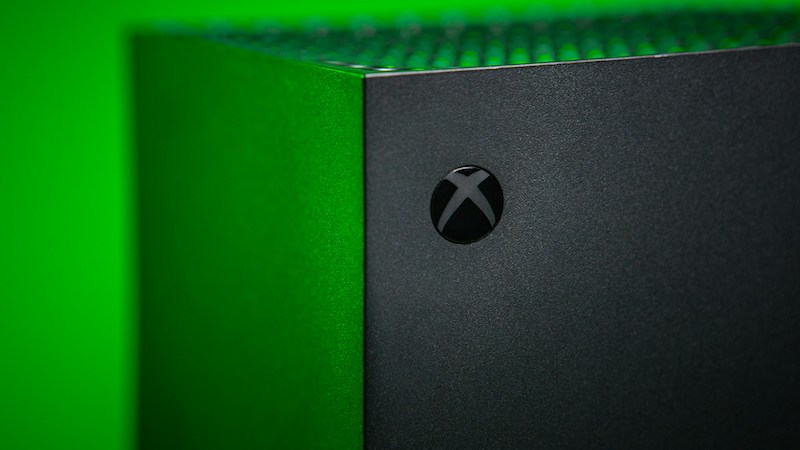
Game Pass has become the core of Microsoft’s gaming strategy, whether it’s on the console, the PC, or the cloud. Microsoft has built quite the library of game titles through its acquisitions of Bethesda and Activision Blizzard, making its content library one of the strongest in the industry. This has enabled Microsoft to deliver a value to users that I believed was worth well more than the monthly price people paid for a Game Pass Ultimate subscription. This was especially true because Ultimate was the only tier that offered cloud gaming — until recent changes to the pricing, features, and nomenclature of the company’s online gaming plans. Microsoft’s shift in strategy appears to be aimed at expanding its cloud gaming user base while still enhancing the experience for PC and console gamers as well.
New Xbox Game Pass Subscriptions
There’s no shortage of commentary about the new Xbox Game Pass program changes, especially the price increase to the Ultimate tier. First, Microsoft renamed the three tiers to Essential, Premium, and Ultimate, with Premium being the standard $14.99 plan. Meanwhile, the PC Game Pass remains the same as before, but with an increase from $11.99 to $16.49 a month. Microsoft also took Xbox Cloud Gaming out of beta and launched it for all gaming tiers, removing the requirement for an Ultimate subscription. That said, the Ultimate tier will be the only subscription that offers 1440p gaming on some titles. Microsoft has also reiterated that Game Pass is the only offering that offers benefits across console, PC, and cloud.
The big deal is that the Ultimate subscription is increasing in price by 50% to $29.99, which admittedly can be quite steep for kids, or even adults who have plenty of other bills in a tight economy. That said, the new Ultimate subscription does come with a lot of benefits, although I believe it should be better tailored to the user’s preferences rather than including a bunch of credit-card-style pre-selected benefits that aren’t specifically tailored to the user. Microsoft is claiming that 75 titles will be available to Ultimate users on the day that the games launch. Microsoft is also adding Fortnite Crew and Ubisoft+ subscriber access as part of its Ultimate subscription, which further adds to the monthly value for users who want those specific benefits.
What’s Next for Microsoft in Gaming?
I believe that Microsoft is going to continue to add value to the Xbox Game Pass by adding more benefits and features, some even powered by AI. There’s been talk of Microsoft introducing a free cloud gaming tier supported by ads, which I think can be taken positively or negatively depending on how you perceive ad-based forms of consumption. While I do think Microsoft’s new Ultimate tier pricing may scare away some gamers, the price of games has also gone up, so it only takes playing about five games a year on Game Pass to break even — and that’s assuming you don’t use any of the other benefits like cloud gaming.
To provide more value and better performance with its cloud-based gaming, I hope to see Microsoft implement the Low Latency, Low Loss, and Scalable Throughput (L4S) protocol — like NVIDIA has with its GeForce NOW cloud gaming service — enabling extremely low-latency gaming even on networks (such as T-Mobile’s and Comcast’s) that support L4S. I’ve always been impressed with the value that Game Pass provides, but I will say that it now seems to be priced much closer to what it’s worth, rather than seeming like such a bargain.
I also believe that Microsoft’s push to make Xbox Cloud Gaming more available is part of its strategy to utilize more Azure computing. After all, at Microsoft most things simply don’t survive unless they can drive cloud consumption. What’s good about this for gaming is that the cloud service will likely reach the broadest base of users and eventually move gamers up the chain to console or PC gaming once they get the itch (and have the budget). This has the likely benefit of increasing the total TAM of the gaming market while also improving margins and average revenue per user. Thinking ahead, Microsoft could be paving the way to allow people to game anywhere, any time — something that still hasn’t been fully realized by any provider. Among other benefits, I believe that in such a future, handhelds may become a great way to take advantage of cloud gaming — one that surpasses the ability of the device in hand.