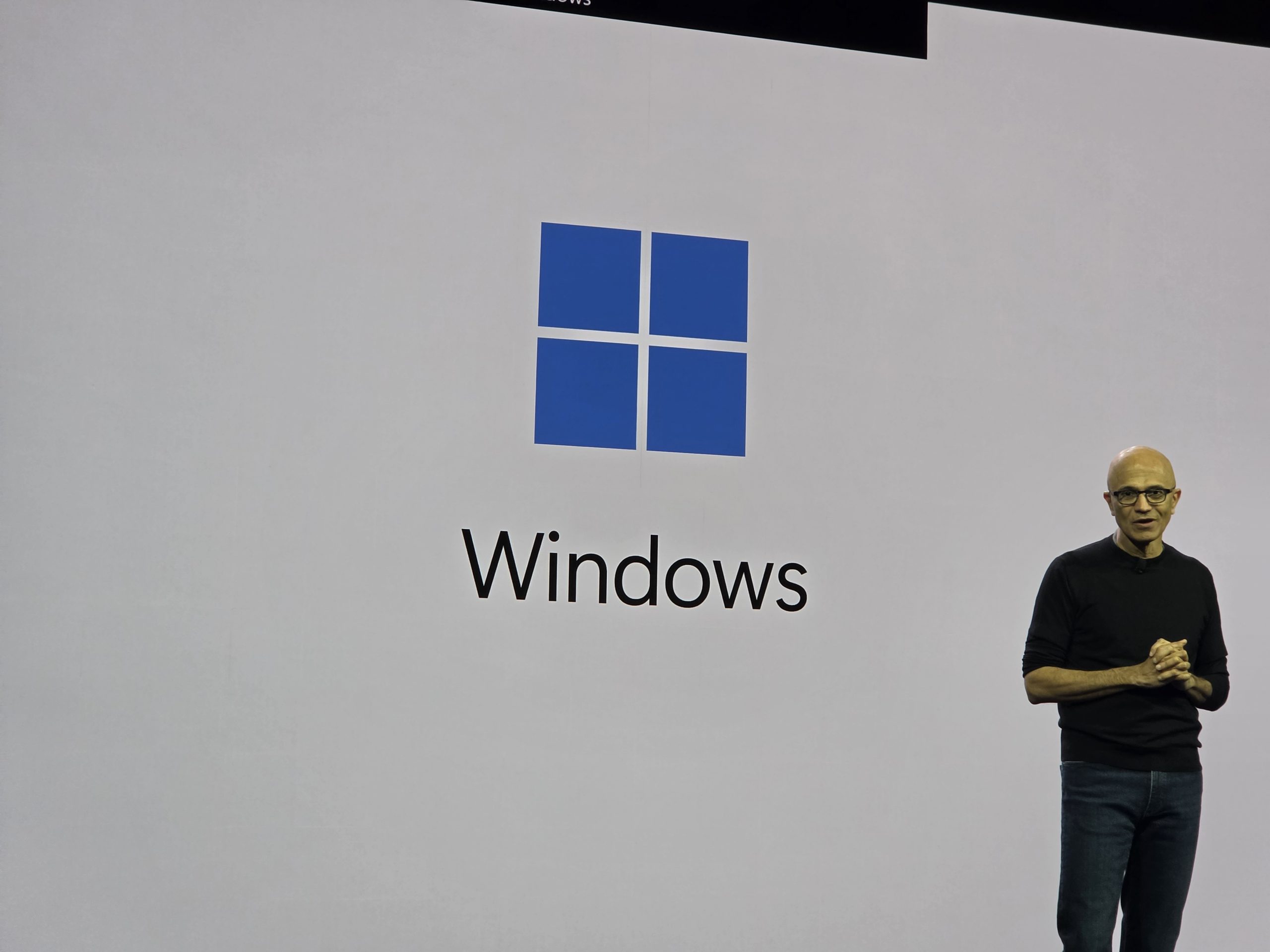
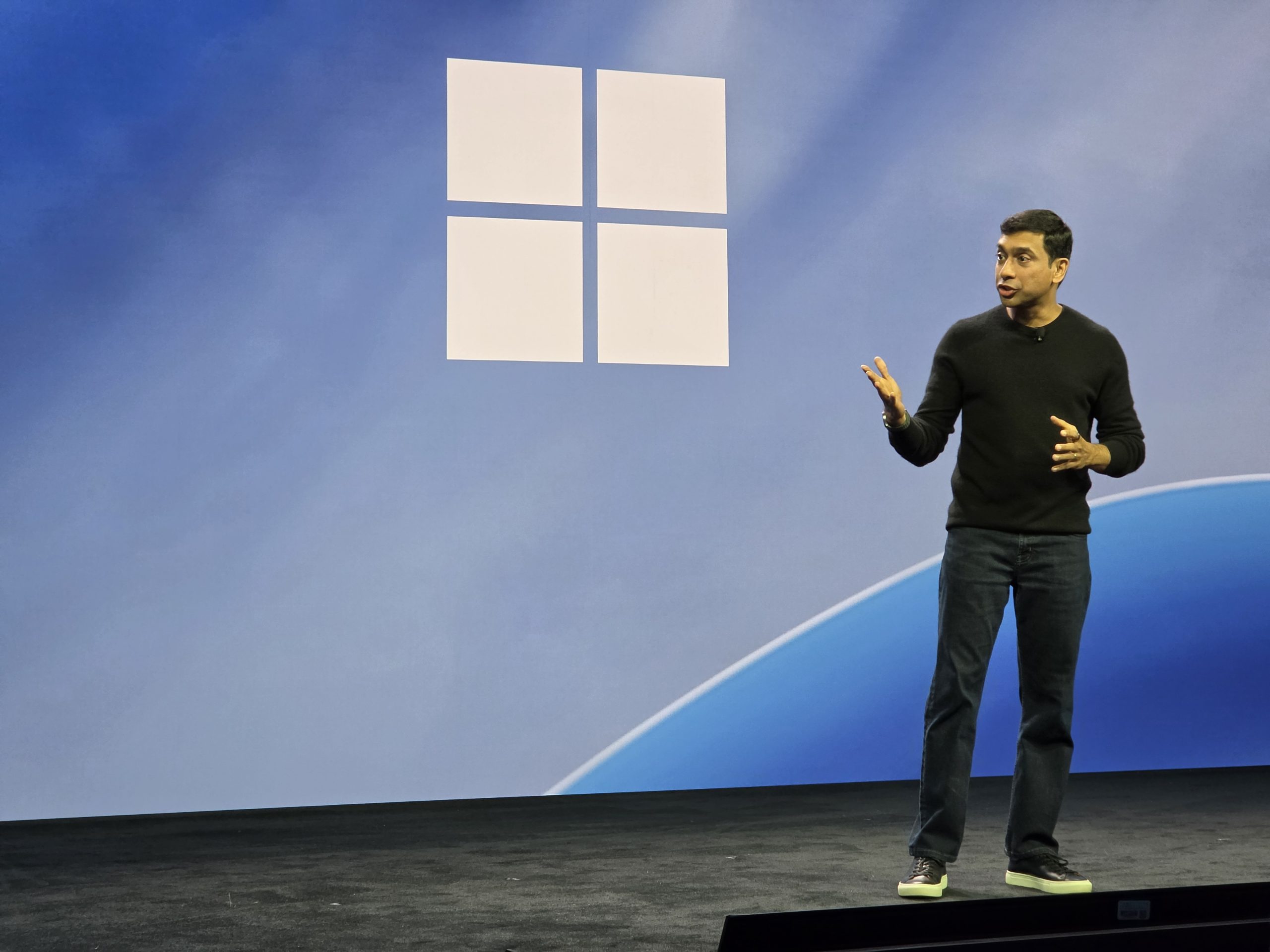
At a hardware and software event in San Francisco, Microsoft announced a major architectural shift for Windows, introducing local agentic capabilities and an entirely new tier of AI compute. Built in partnership with NVIDIA, the new RTX Spark platform powers the flagship Surface Laptop Ultra and a broader ecosystem of OEM laptops, mini desktops, and workstations. My core takeaway is that Microsoft is making a direct bid to reposition Windows as a credible destination for local AI development and inference—a domain Linux has dominated for years. By coupling local silicon performance with centralized Copilot management, Microsoft is laying the foundation for client-side AI agents on Windows, though high system pricing and developer inertia will test whether this platform can achieve mainstream traction among enterprises and prosumers.
How Microsoft Plans to Anchor Local AI and Agent Security in Windows
A significant portion of the event focused on Windows platform improvements and agentic security designed to build user trust. The most visible user-facing update is an overhaul of Windows Search. Microsoft is configuring the search experience to leverage on-device AI models to suggest applications, retrieve documents, execute system actions, and manage messaging directly from the search bar. This enhancement represents a practical, low-friction application of local AI that delivers immediate utility without forcing users into complex prompt workflows. Alongside search, Microsoft introduced security enhancements anchored in MXC and updated administrative controls, addressing corporate concerns about agentic permissions and background data access.
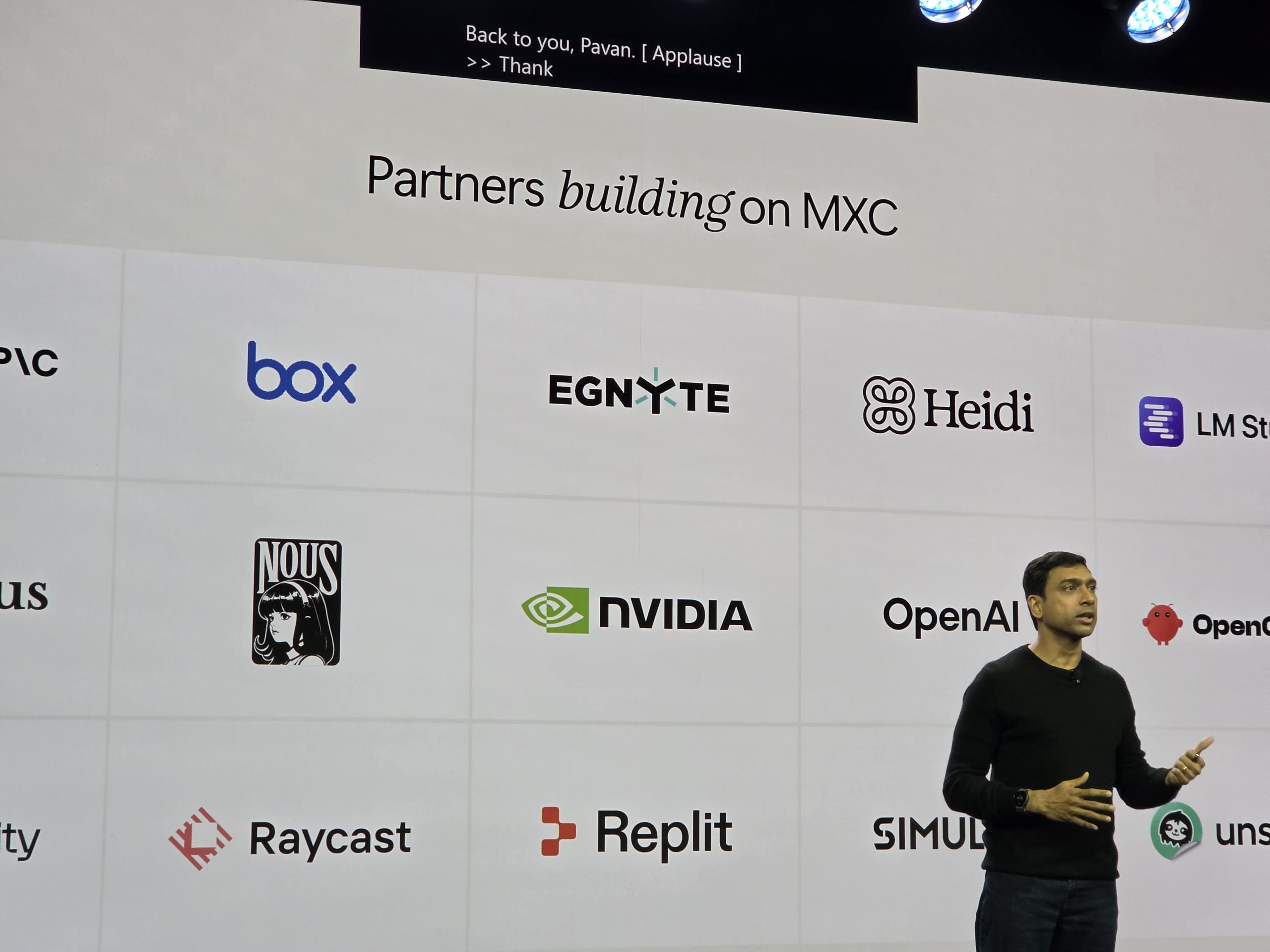
Microsoft also redesigned the Copilot interface into three distinct environments: Home, Code, and Autopilot. Copilot Code is positioned as an environment where developers and prosumers can build Windows applications and desktop widgets. With explicit user permission, Copilot can harness local context and operational modes to execute sensitive tasks fully offline while preserving optional access to cloud resources. Autopilot—formerly branded as Scout—serves as the cloud-hosted persistent agent, connecting users to Microsoft’s centralized cloud infrastructure within the same interface as local tools.
Strategically, consolidating local and cloud capabilities under a single Copilot umbrella is sensible, as Microsoft maintains the enterprise footprint and cloud infrastructure to support hybrid AI workloads. However, management still needs to streamline this experience. Rather than requiring users to manually manage offline permissions and select between local and cloud modes, Microsoft should develop an intelligent orchestration layer that automatically routes tasks to local silicon or Azure models based on latency, model size, and data privacy requirements. To reduce deployment friction, Microsoft implemented a new “Get Started” onboarding wizard that helps users configure open-source agent frameworks, such as OpenClaw, on initial system boot. Microsoft also confirmed that Perplexity Computer can execute locally without consuming cloud credits, while Meta is releasing a Windows-native application for its Muse model.
What Surface Laptop Ultra and OEM Systems Deliver for High-End AI PCs
Following initial previews at Computex, Microsoft formally launched the Surface Laptop Ultra, marking the culmination of a multi-year engineering collaboration with NVIDIA to deliver an Arm-based, high-performance AI PC. The hardware specifications target the premium tier: pricing starts at $2,599 for an 18-core CPU configuration with 24GB of unified memory, and scales to a 20-core CPU with 128GB of unified memory at $5,899. The system features a 15-inch mini-LED touch display rated at up to 2,000 nits of brightness, alongside a comprehensive I/O selection including USB-A, USB-C, HDMI, a 3.5mm audio jack, a full-size SD card reader, and a magnetic breakaway USB-C charging connector.
Weighing under 4.5 pounds with a chassis thickness below 18mm, the machine balances workstation-grade compute with portability. Microsoft claims the laptop delivers roughly 99% of its plugged-in performance when running on battery—a metric that, if verified by independent testing, represents a substantial engineering achievement for high-wattage mobile silicon. The Surface Laptop Ultra is scheduled to ship on October 16, with pre-orders open immediately.
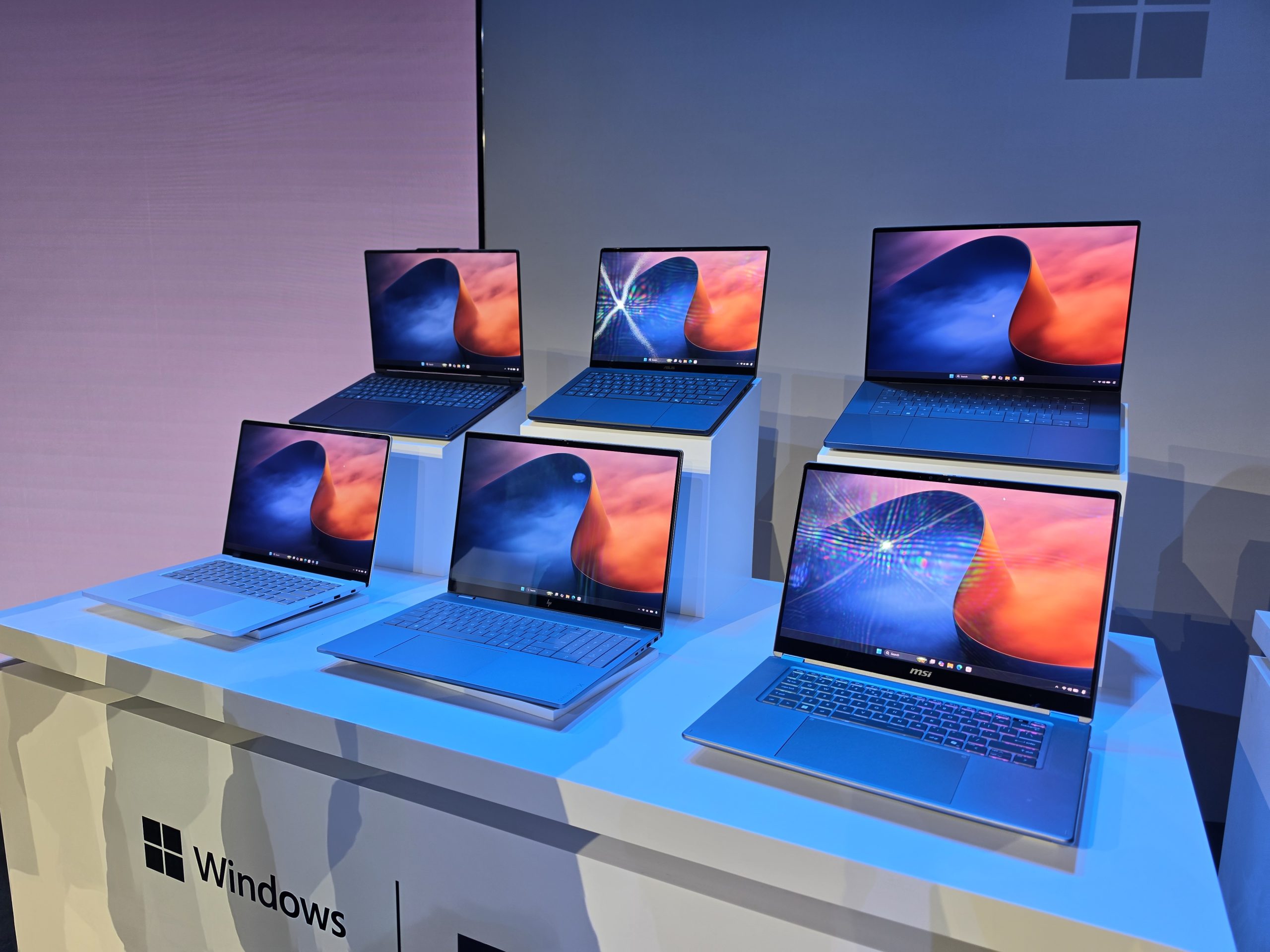
The hardware rollout extends beyond consumer laptops. Microsoft also introduced the Surface RTX Spark Dev Box, matching the top-tier laptop configuration with a 2TB solid-state drive for $5,999. Crucially, the RTX Spark platform is not an exclusive Surface showcase; Microsoft is launching alongside major OEM partners, including ASUS, Dell, HP, Lenovo, and MSI. These manufacturers plan to offer both mobile workstations and small-form-factor desktops, with 14- to 16-inch displays and memory configurations ranging from 32GB to 128GB. Furthermore, Microsoft announced that NVIDIA DGX Station workstations manufactured by HP and Dell—systems that previously operated exclusively on Linux—are scheduled to gain Windows support later this year.
Why Microsoft Must Bridge the Linux Divide to Win AI Developers
Microsoft’s announcements reflect an aggressive effort to transform Windows into a primary platform for both AI creation and local inference. Historically, Linux has served as the default operating system for AI researchers and developers due to its lightweight runtime, open toolchains, and native containerization, leaving Windows at a distinct disadvantage. Today’s platform updates and hardware investments directly address that competitive deficit. If execution holds, simplified agent onboarding and dedicated RTX Spark silicon should broaden client-side AI adoption among enterprise professionals and technical creators. Nevertheless, meaningful hurdles remain. With an entry price of $2,599, these initial systems are out of reach for mainstream buyers, and developer loyalty to Linux will not evaporate overnight. To secure long-term leadership, Microsoft must prove that its local software toolchains offer true parity with open-source development environments and that OEM hardware can deliver sustained performance without aggressive thermal throttling.